Renting to Section 8 tenants in Birmingham follows a defined process set by HUD and the local housing authority, not a standard market-rate lease. This guide explains how Section 8 property management works, from marketing and application through inspection, lease-up, and ongoing Housing Assistance Payments, and where a property manager’s role fits at each stage.
What Section 8 Property Management Involves
Section 8 property management means renting to tenants who hold a Housing Choice Voucher (HCV), commonly called Section 8, and handling the additional steps that come with it: submitting a Request for Tenancy Approval (RFTA) to the Public Housing Agency (PHA), passing a unit inspection, and managing a lease split between a tenant portion and a Housing Assistance Payment (HAP) from the housing authority.
In the Birmingham area, the PHA involved is typically the Housing Authority of the Birmingham District or another local housing authority, depending on where the property is located. Procedures and timelines can differ between agencies, so owners should confirm specifics with the applicable PHA rather than assume every voucher works identically.
Who Holds the Voucher, and What That Means for the Owner
The voucher holder is the tenant, not the owner. The PHA determines what portion of the rent the tenant is responsible for based on income, and pays the remaining portion, the HAP, directly to the owner or property manager. The owner still screens the applicant, sets a rent within the PHA’s approved range, and signs a standard lease.
Where Property Management Fits In
Section 8 property management means coordinating the RFTA submission, preparing the unit for inspection, communicating with the housing authority, and handling the ongoing paperwork that a self-managing owner would otherwise have to learn and track alone.
How the Section 8 Lease-Up Process Works
The lease-up process for a Housing Choice Voucher tenant generally follows the same core sequence across housing authorities, though exact steps and processing time vary by PHA.
- Marketing to voucher holders: The property is listed and marketed, including to households with an active voucher through tenant placement.
- Application and screening: The prospective tenant applies and goes through the same core tenant screening criteria used for any applicant, evaluated against their portion of the rent.
- Request for Tenancy Approval (RFTA): The voucher holder and owner submit an RFTA describing the unit, proposed rent, and lease terms to the PHA.
- PHA review and rent reasonableness: The PHA compares the proposed rent to similar unassisted units in the area before approving it.
- Unit inspection: The property is inspected against the PHA’s current housing quality standards before a HAP contract can be executed.
- Lease and HAP contract execution: Once approved, the owner signs a lease with the tenant and a separate HAP contract with the PHA.
- Move-in: The tenant moves in. The owner receives the HAP portion directly from the PHA and collects the tenant’s portion separately.
- Ongoing management: Recertifications, rent adjustments, inspections, and rent collection continue for the life of the tenancy.
Each of these steps involves a different party, the tenant, the owner, and the PHA, which is why Section 8 property management is largely about keeping that coordination on schedule.

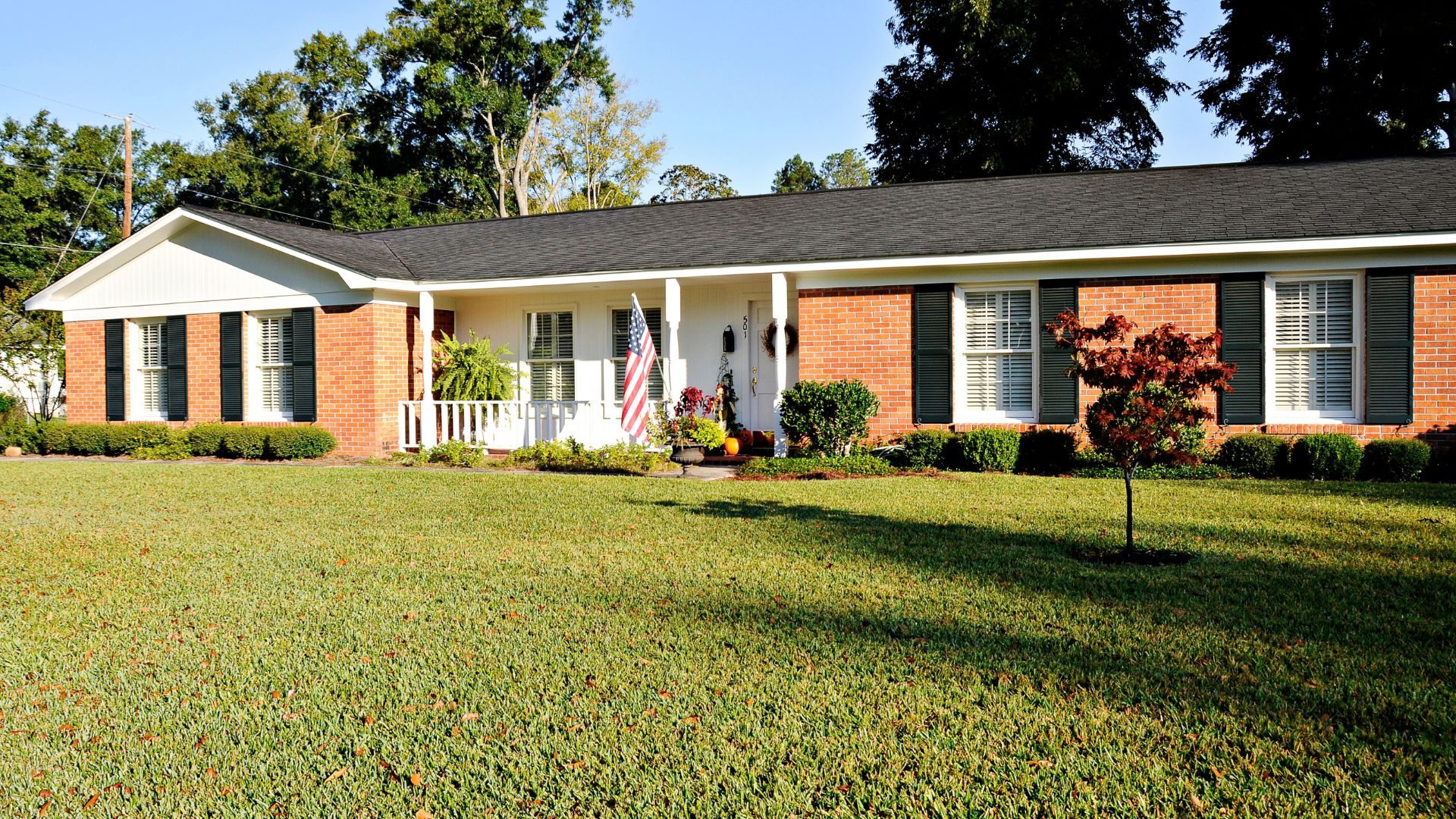
A single-family rental home exterior representative of the properties leased under a Housing Choice Voucher.
What Happens After Move-In: Ongoing Section 8 Management
After move-in, Section 8 management is an ongoing responsibility rather than a one-time approval. It includes collecting the tenant’s portion of rent, receiving the HAP from the PHA, completing annual recertifications, handling rent adjustment requests, and staying ready for periodic inspections.
HAP Payments and Recertifications
The HAP is paid directly to the owner or property manager, typically on a monthly cycle set by the PHA. Tenant income is recertified on a regular basis, usually annually, which can change the split between the tenant’s portion and the HAP. Owners who respond to recertification paperwork promptly avoid payment interruptions.
Inspections and Physical Condition Standards
PHAs inspect Section 8 units periodically after move-in, not just at lease-up. HUD has been transitioning housing authorities nationwide from the older Housing Quality Standards to the National Standards for the Physical Inspection of Real Estate (NSPIRE), though the compliance timeline has been extended more than once and now varies by housing authority. Owners should confirm which standard their local PHA is currently using. See HUD’s HCV landlord resources for current federal guidance.
What Birmingham Landlords Should Know Before Accepting a Voucher
A few practical points come up consistently for owners considering Section 8 for the first time.
- Rent limits: PHA-approved rent has to fall within a reasonable range compared to similar unassisted units in the area, not whatever the owner would otherwise ask.
- Inspection responsibility: The unit has to meet the PHA’s current physical condition standards before and periodically after move-in, and the owner is responsible for repairs that cause a failed inspection.
- Tenant portion vs. HAP: Full rent is only received once both the tenant’s portion and the HAP are collected; the two are tracked separately.
- Timeline can vary: RFTA review, inspection scheduling, and lease-up timing differ by PHA workload and how ready the unit is.
- Property types: Single-family homes, small multifamily properties, and larger complexes can all participate, subject to each PHA’s requirements.
Because procedures can differ by housing authority, owners should confirm current requirements directly with the applicable PHA before finalizing a Section 8 lease.

A financial report on a clipboard, representing the rent collection and HAP disbursement detail included in an owner’s monthly statement.
What This Means for Birmingham Rental Property Owners
For owners, Section 8 can mean a government-backed portion of rent paid on a predictable schedule and, often, longer tenancies. It also adds administrative steps, RFTA paperwork, inspection prep, and recertifications, that most owners would rather not track manually alongside everything else Birmingham property management already involves.
This is why Section 8 is usually handled as part of full-service management rather than as a separate task. Compliance support covers the housing-authority communication and documentation side specifically, while day-to-day leasing and maintenance continue as they would for any rental.
Frequently Asked Questions About Section 8 Property Management in Birmingham
Do I have to accept Section 8 tenants in Birmingham?
Whether to accept Housing Choice Vouchers is generally an owner decision. Any applicable local, state, or lease-specific rules should be confirmed with legal counsel or the local housing authority before making that decision.
How long does Section 8 lease-up usually take?
It varies by PHA workload, how ready the unit is for inspection, and how quickly paperwork moves between parties. It’s rarely instant, but a unit that’s already in good condition and priced within the PHA’s reasonable range generally moves faster.
What’s the difference between the tenant portion and the HAP?
The tenant portion is the share of rent the PHA determines the tenant can afford based on income. The HAP is the remaining portion the housing authority pays directly to the owner. Both have to be collected for the owner to receive full rent.
Do you manage Section 8 properties outside Birmingham?
Yes, in the other markets Executive Property Management serves. Visit Areas We Serve for the current list of service locations.
Final Thoughts
Section 8 property management in Birmingham follows a defined path: RFTA, inspection, HAP contract, move-in, and then ongoing recertifications and compliance. Owners who understand that sequence are better positioned to decide whether to accept a voucher and what to expect once they do.
Learn more about our Section 8 property management services, or Call Now at 205-842-3822 to discuss your rental property.